These States Will Punish You for Harvesting Rainwater (Man jailed for 30 days after building THREE reservoirs on his own land with enough water to fill 20 Olympic-sized pools)
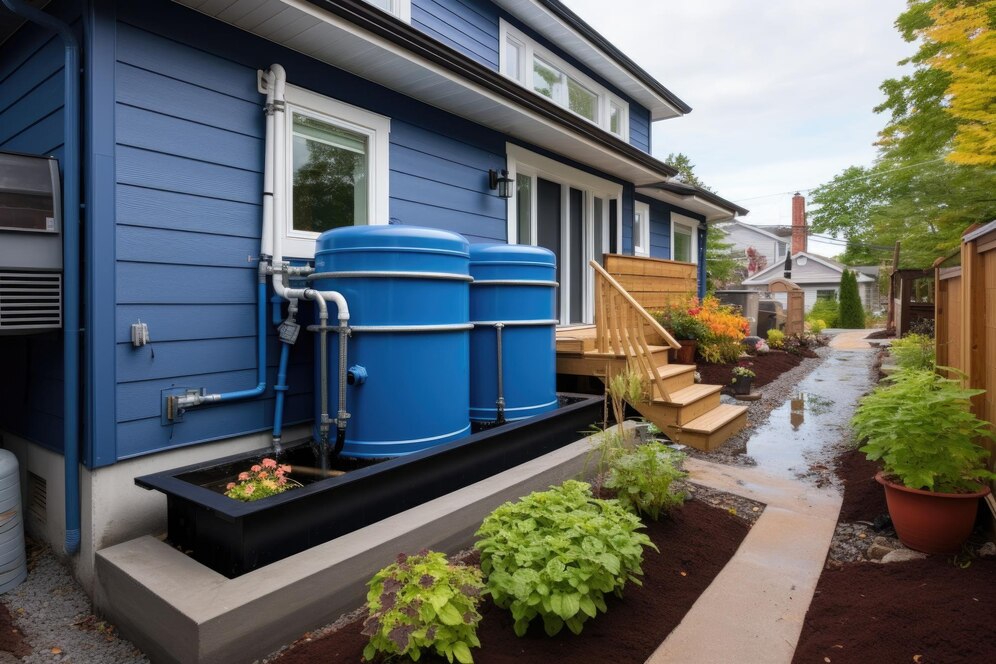
When people think “collecting rainwater,” they think about this:
and think, “why would that be illegal?”
But that’s not the problem.
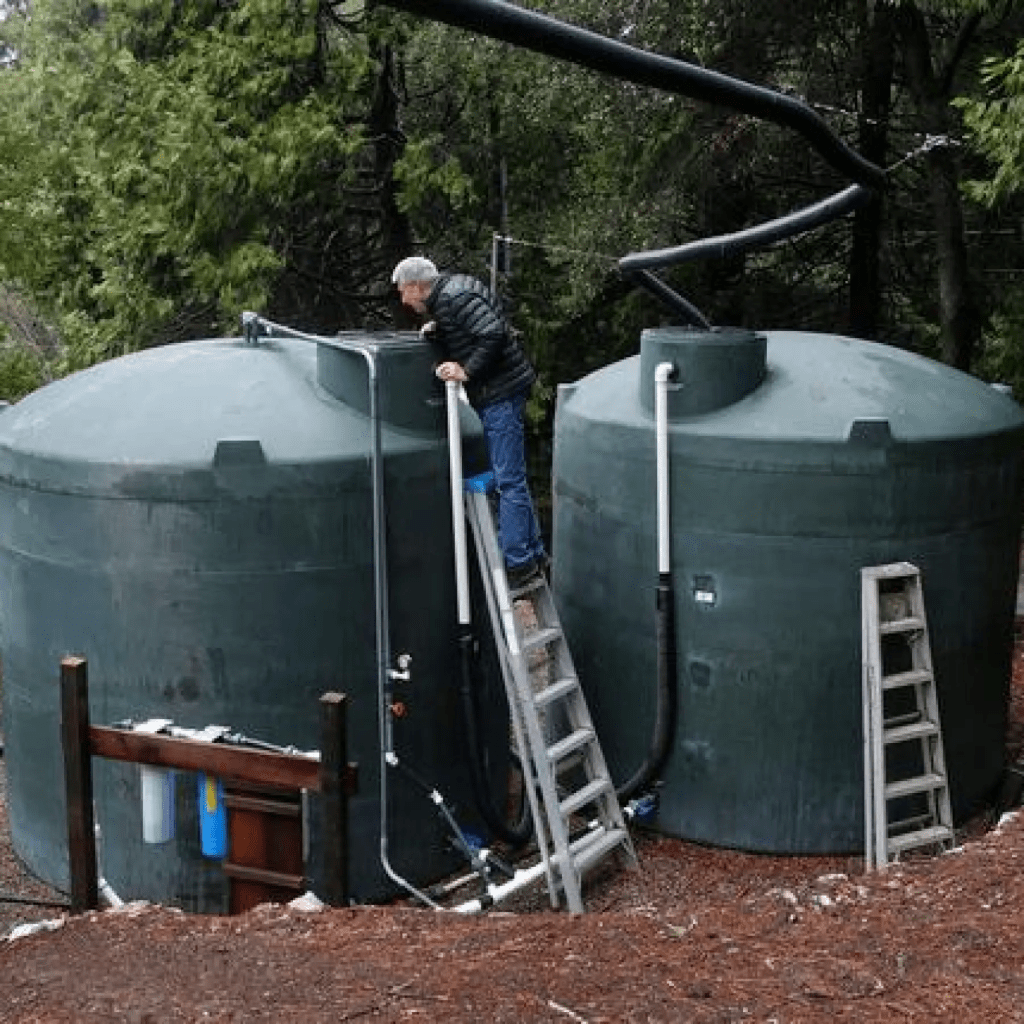
The problem is when people build reservoirs over hundreds of acres of private property to “collect rainwater,” they actually disrupt the behavior of water ecosystems. This is why water law and water rights management gets very complex.
With a series of dams and ponds, this landowner amassed 13 million gallons of water that would have otherwise flowed to the watershed.
FEMA Warning! These Maps Shows Safest US States to Live During Nuclear War!
Most places have an exemption for modest amounts of collection for personal use, but the question becomes “where do you draw the line?” Colorado currently (2016) has zero tolerance for any rainwater collection (It is actually illegal in Colorado to collect the rain that falls on your home) and thanks to recalcitrant legislators has been unable to change this state of affairs (Sen. Jerry Sonnenberg: No rain barrels for you).
First note: The Federal government has no laws making the collection of rainwater illegal. They do have safety guidelines, but these are suggestions for the safe collection of rainwater and not legal requirements for private individuals. For corporations, the distribution and sales (if any) of course would require they follow all state and federal health code regulations for food distribution that apply for food safety and cleanliness standards the same as any water collection/distribution method.
There are no states where the collection of rainwater is illegal for private individual households, however some states have restrictions on the type of device used and/or the volume of rainwater per household that can be collected. Why they do this varies by state and is usually either due to worries that collection might interfere with local waterways being refilled from nature or residual property rights laws that remain from the early expansion of the country that have not been altered in modern times.
States with No restrictions on rainwater collection for private property*
Alabama
Alaska
Iowa
Kansas
Kentucky
Louisiana
Maine
Mississippi
South Dakota
Vermont
West Virginia
Wisconsin
Wyoming
*Some may have laws regarding long term storage, (Louisiana it must be covered storage) or laws regarding ground water collection (Alaska requires purchase of ground water rights) but that’s not a rainwater collection.
States with no restrictions that also actively encourage rainwater collection for private property**
Arizona: Some cities and towns have a fund to help establish rainwater harvesting and it’s actively encouraged.
Connecticut
Delaware: Allowed and sponsors incentives for doing so.
Florida: Encouraged with tax incentives and rebate programs for doing so.
Hawaii
Indiana
Maryland: some counties offer incentives for rainwater collection.
Massachusetts
Michigan
Minnesota
Missouri
Montana
Nebraska
New Hampshire
New Jersey: offers rebates for approved capture, control and conservation systems.
New Mexico
New York: Actively taught in some schools and promoted by local counties.
North Dakota
Oklahoma: Allowed and may offer grants for large water conservation projects using rainwater harvesting.
Pennsylvania
Rhode Island: Offers tax incentives.
South Carolina
Virginia: offers tax credits
**If no notes are listed these states promote and advertise rainwater collection while the others may offer actual help, incentives or tax rebates.
States with restrictions:
Arkansas: Rainwater harvesting is allowed but storage or transport must comply with the Arkansas Plumbing Code and harvesting systems for non-potable purpose must be designed by a professional licensed engineer.
California: Regulated by the Rainwater Capture Act of 2012 has a list of requirements that must be met and uses for specific purposes and limits the amount that can be stored.
Colorado: Limits the collection capacity to 110 gallons and the usage must be on the property where it was collected.
Georgia: Allowed but must be used for outdoor purposes only and is closely regulated by the Department of Natural Resources in the Environmental Protection Division.**
Idaho: Allowed but monitored and must not interfere with the existing water rights of others and can not be used once it enters natural waterways. (this is mostly to prevent someone from diverting an entire stream and calling it rainwater collection while preventing your neighbors from using the natural water flow)
Illinois: Heavily regulated, can’t be used for drinking. Use must follow the Plumbing-Rainwater Systems Bill SB0038 and all equipment used must be in accordance with the Illinois Plumbing Code.**
Nevada: Requires the grant of a water right which must have a registered and approved purpose, failure to use it for the intended purpose may have it revoked. The water rights are easy to obtain, but require you actually use them as it’s designed as a “use it or lose it” right to discourage water hoarding. If you have a use for it, use it, if you don’t then someone else will. (Nevada NB74)
North Carolina: Has some safety and management regulations to ensure best practices statewide, but also offers statewide assistance and encouragement to setup correct systems.
Ohio: Limits the collected drinking water to a supply for up to 25 people on private property.
Oregon: Restricted to collection from rooftop surfaces or systems installed on rooftops and can not be a stand alone structure with no other purpose.
Tennessee: Must follow the regulations of House Bill 1850 for use of green infrastructure and safety practices, but otherwise legal.
Texas: Harvesting systems must be incorporated into the design of a building and written notice put on file with the local municipality. Stand alone structures not allowed so as to prevent water hoarding or disruption of local waterways.
Utah: Various regulations and storage limits. The person responsible for the collection must be the land owner or lease the property and have permission to install the collection structure from the land owner. A person may optionally register with the state as a rainwater collector. Unregistered collection is limited to 100 gallons of storage. Registered collectors may store up to 2,500 gallons.
Washington: No restrictions for rooftop collections, requires a permit for construction of stand alone structures on the ground (same as any stand alone building)
**Since Georgia and Illinois allow collection only for non-potable water (washing, irrigation, etc.) but not potable (drinking water) this may be where the confusion comes from if someone is telling you that it’s “illegal to collect rainwater in some states.” It’s not illegal to collect, it’s just regulated in some and you aren’t supposed to drink it in Georgia or Illinois.
Gone Viral! – The Unbelievable Reason Why Trump Always Carries This Special Salt Everywhere He Goes!




 Prepper1cense