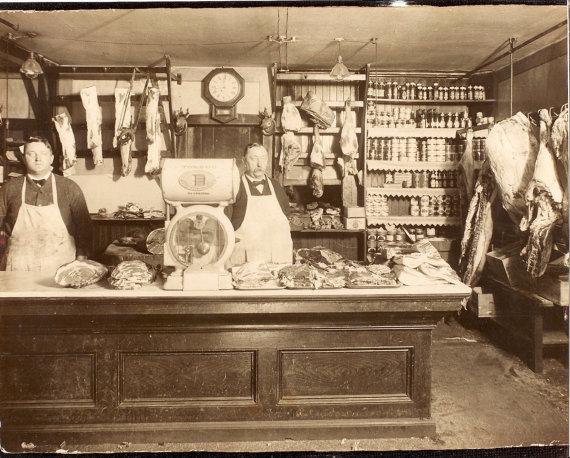
The struggle to keep and store enough food is not a new problem, and as far back as 12,000 B.C., there is evidence of food preservation. The greatest tools to the ancients would have been sun and wind. Of course, we also can look to the Native Americans to learn how food was preserved. They smoked and salted meat to make it last longer.
Or we can look to the classically trained chefs of the 1800s. Their stories may not be as exciting or as fraught with peril as the American pioneers, but under certain kings they could be one bad meal away from the gallows!
By- “James Walton”
Where I’m from (South Sudan), a lot of people don’t have electricity, even in the capital city sometimes, therefore resorting to other means of food(meat in particular) storage like leaving your chunk of meat at the nearest grocery store to keep in their fridge until when you need to use it (early 2000s)
Or buying just enough meat to cook on that day (the rest of it is the butcher’s problem not the buyers’).
When the meat need to be stored for an extended period, the locals find it more convenient to:
- Wash it and sprinkling it with salt(optional) and then hanging it outside(Sun Drying), preferably where cats/dogs or eagles can’t get to it.
- Have it salted and Half-Cook it over a bunch of charcoal, like grilling… remember, half cooked, this time you don’t have to worry so much about stray or pets because the predators of this delicacy would be your own family members, that’s how delicious it is(even after it gets dry).
Here goes:
So meat’s chemical properties like pH(acidity) and moisture content affect the ability of micro-organisms to grow on it.
Meat Fermentation:
An ancient, somewhat industrial meat preservation technique is fermenting it, that involves adding harmless bacteria to the meat. Apparently these bacteria produce acid(lactic acid, I assume) as they grow, which in turn lowers the meat’s pH and inhibit the growth of many pathogenic micro-organisms.
One example of this process: Sausage.
Thanks for reading.
 Prepper1cense